Mayfair W1K & W1J: Fast Rubbish Pickup for Bond Street Shops
Posted on 14/05/2026
Mayfair W1K & W1J: Fast Rubbish Pickup for Bond Street Shops
Bond Street shops run on timing. Deliveries arrive early, customers drift in and out all day, and the back-of-house area can go from tidy to awkwardly crowded in an hour. That is exactly why Mayfair W1K & W1J: Fast Rubbish Pickup for Bond Street Shops matters so much. If waste sits too long, it affects presentation, staff movement, stock handling, and sometimes even compliance. In a high-value retail district like Mayfair, a clean frontage and a clear service entrance are not just nice to have. They are part of the business rhythm.
This guide explains how fast rubbish pickup works in the area, who needs it, what to expect, how to avoid common mistakes, and how to choose a service that keeps your shop moving without fuss. To be fair, most shop teams do not want a long waste lecture. They want the bins gone, the floor clear, and the job done quietly. That is what we are focusing on here.
Why Mayfair W1K & W1J: Fast Rubbish Pickup for Bond Street Shops Matters
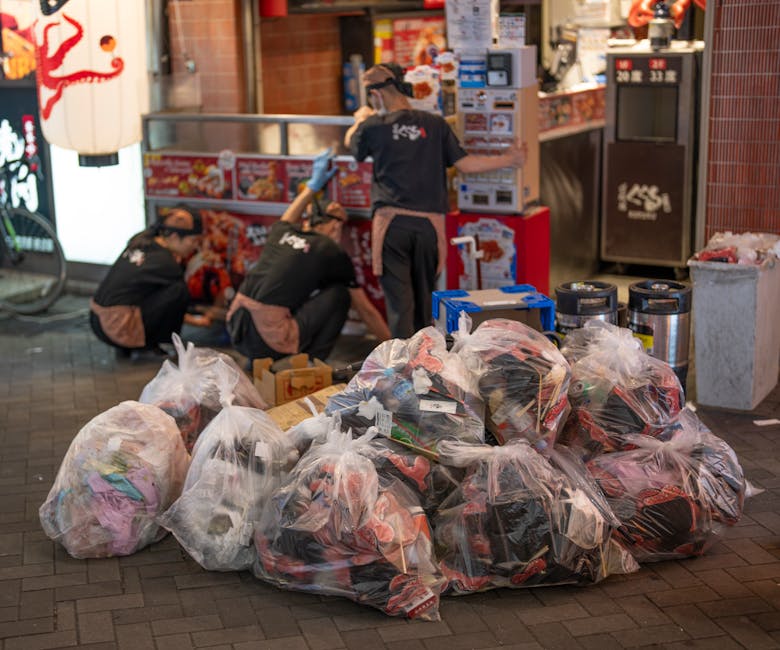
Bond Street and the surrounding Mayfair streets are not like a standard retail parade. Space is tighter, footfall can be intense, and presentation expectations are high. A cardboard stack leaning near the entrance, a broken display unit in the corridor, or a bag of mixed waste left beside a loading point can quickly become a problem. It looks untidy, yes, but there is more to it than appearances.
In busy retail areas, waste affects workflow. Staff need to move stock, open packaging, handle deliveries, and sometimes clear fittings during trading hours. If rubbish pickup is slow or unpredictable, everything gets a bit clunky. You start working around the waste rather than through the shop. Nobody wants that, especially when the shop floor is calm and immaculate out front.
There is also the neighbourhood context. Mayfair is a mixed area, with luxury retail, offices, residences, restaurants, and visitor traffic all sharing the same streets. If you want a broader feel for the local environment, the Mayfair neighbourhood guide and the local area article give useful context. That local knowledge matters because the practicalities of waste collection often depend on access, timing, and the sort of activity happening nearby.
Key point: in Bond Street retail, fast waste removal is not just a cleanliness issue. It is a space-management issue, a customer-experience issue, and sometimes a compliance issue too.
There is a small but important reality here: the faster a shop can clear waste after a refit, a stock change, or a busy trading burst, the easier it is to keep the whole operation looking polished. That sounds simple. It is. But simple is often what works best.
How Mayfair W1K & W1J: Fast Rubbish Pickup for Bond Street Shops Works
Fast rubbish pickup for Bond Street shops usually starts with a quick assessment of what needs removing, how much there is, and how urgently it needs to go. A good provider will ask practical questions: Is it bagged waste, cardboard, packaging, display waste, damaged furniture, or something heavier? Is access via a service entrance, pavement frontage, or loading bay? Is the collection one-off or recurring?
Once that is clear, the service is typically scheduled around the shop's operating hours and access constraints. In a place like Mayfair, timing can make or break the job. Early-morning pickups often work well before the day gets busy. Late-afternoon or after-hours collections can also be a good fit when the shop floor needs to stay clear for customers.
For many retailers, the process is straightforward:
- Request a quote or call for availability.
- Describe the waste type and access conditions.
- Confirm a pickup window that suits trading hours.
- Prepare the waste so it can be collected quickly.
- Have the waste removed, then make sure the area is left tidy.
If your shop waste is mixed with fixtures, office items, or old stock, it may make sense to look at related services such as commercial waste removal in Mayfair or rubbish collection in Mayfair. For larger shop-fit or refurbishment clearances, builders waste disposal in Mayfair can be more appropriate.
And yes, sometimes the job is over faster than expected. That is the point. No drama, no lingering pile by the rear door, no awkward "we'll move that later" situation that somehow becomes tomorrow's problem.
Key Benefits and Practical Advantages
For Bond Street retailers, speed is only one benefit. The real value is what speed unlocks.
- Cleaner customer experience: a tidy frontage and clear rear access help the shop look organised at all times.
- Less staff disruption: teams can keep trading, restocking, and receiving deliveries without waste getting in the way.
- Better use of space: in compact W1K and W1J premises, even a few bulky items can eat valuable room.
- Reduced fire and trip risks: cardboard, packaging, and loose materials should not be left where people move frequently.
- More flexible scheduling: early, late, or timed collections can fit around retail operations.
- Better handling of mixed waste streams: many shops need help separating cardboard, furniture, fittings, and general rubbish.
One thing that is easy to overlook is morale. Staff often work better in a space that feels under control. A cluttered stockroom can create tiny frustrations all day long. A clear one feels like a reset. Small thing, big difference.
Retailers also tend to value predictability. If you already have a regular waste plan, it is easier to manage seasonal stock changes, window refreshes, and end-of-line clear-outs. That is where a reliable local service becomes part of the shop's operating rhythm rather than a last-minute rescue.
For businesses thinking beyond waste removal into broader operational standards, the site's services overview is a useful starting point. It helps position fast pickup within a wider, practical service picture.
Who This Is For and When It Makes Sense
This service is especially useful for:
- fashion boutiques
- jewellery and accessories shops
- luxury retailers with frequent packaging waste
- pop-up stores and short-term retail spaces
- stores undergoing fit-outs or display changes
- shops that generate bulky cardboard and wrapping materials
- businesses with limited back-of-house storage
- managers who need a responsive collection option, not a rigid schedule
It makes sense when waste is building faster than your usual arrangement can handle, or when the type of waste changes. Maybe a window display has been dismantled. Maybe a new season's stock arrived in heavy packaging. Maybe a shelf system failed and needs clearing out. These are the kinds of moments where quick pickup saves time and a bit of stress.
It also suits businesses planning ahead for busy retail periods. Imagine a Friday afternoon near Bond Street with deliveries on the go, customers browsing, and a pile of flattened boxes that has started to look permanent. That is the sort of moment when a fast collection feels less like a nice extra and more like a relief.
For offices attached to retail spaces, you may also need broader clearance support, such as office clearance in Mayfair. If the job involves shop furniture, shelving, or old display units, furniture disposal in Mayfair may be the better fit.
Step-by-Step Guidance
If you want fast rubbish pickup to run smoothly, it helps to treat it like a small operational process rather than a one-off scramble. Nothing fancy. Just a bit of preparation.
1. Identify the waste clearly
Separate cardboard, general rubbish, furniture, and any items that may need special handling. A mixed pile is not always a problem, but it helps to know what you have. If the waste includes appliances or electrical items, a dedicated service like white goods and appliance disposal in Mayfair may be needed.
2. Measure access, not just volume
A small pile can still be awkward if the route out is narrow, the lift is small, or the collection point is shared. In Mayfair, access often matters more than the amount itself. A few bulky items through a tight corridor can take longer than a larger but neatly staged load.
3. Choose a collection window that protects trading
Early morning before opening, a quieter midday slot, or after close can all work. The best time depends on your layout, delivery pattern, and footfall. If you are in doubt, pick the window that keeps customers and collection staff out of each other's way. Simple.
4. Prepare the area before the team arrives
Bundle cardboard, bag smaller items, and make sure the route is clear. If you can position waste near the exit point, the pickup is usually quicker and safer. One shop manager once described this as "making the rubbish easier to say goodbye to," which, oddly enough, is not bad advice.
5. Confirm what happens after collection
Ask whether the area will be swept or left tidy, whether documentation is provided, and how any recyclable material is handled. A good service should not leave you guessing. If you want to understand handling standards and the type of operator you should be dealing with, the waste carrier licence and compliance page is worth reading.
Expert Tips for Better Results
Small changes often make the biggest difference.
- Keep cardboard separate: it is easier to handle and often easier to recycle when kept clean and dry.
- Flatten packaging early: this saves space and reduces clutter in stockrooms.
- Book before the rush: if you know a delivery or fit-out is coming, do not wait until the pile is already awkward.
- Use repeat pickups for predictable waste: retail waste is rarely random for long.
- Ask about recycling routes: responsible handling is not a bonus anymore; it is basic good practice.
- Keep an eye on access bottlenecks: shared corridors, loading points, and stairwells can become surprisingly slow if left unplanned.
Another practical tip: nominate one person to own waste coordination on busy days. It sounds bureaucratic, but it stops the classic "I thought someone else had sorted it" problem. We have all seen that happen. Usually at the worst possible time.
If you are looking to improve the wider environmental side of your waste handling, the recycling and sustainability guidance offers a useful perspective. Even a few simple adjustments, like separating clean cardboard and rethinking packaging storage, can make a real operational difference.
Common Mistakes to Avoid
Fast pickup goes wrong most often because of avoidable details, not because the service itself is complicated.
- Leaving waste until it blocks the route: if staff have to climb over it or squeeze around it, you have already made the job harder.
- Assuming every type of waste is handled the same way: general rubbish, furniture, electrical items, and construction debris may need different treatment.
- Booking too late: in busy central London areas, short notice can be possible, but it is never something to rely on.
- Not checking access details: a van may not be able to park exactly where you imagine. London, after all, has opinions.
- Mixing recyclable and non-recyclable waste: it can increase handling time and reduce recycling potential.
- Using an unverified operator: if they cannot explain how waste is collected and managed, that is a warning sign.
One subtle mistake is underestimating after-hours mess. A shop may look fine during trading, then reveal a surprising amount of packaging, broken fittings, and stockroom clutter once the day ends. That is not a failure. It is just retail. But it does need a plan.
Tools, Resources and Recommendations
You do not need a lot of equipment to manage waste better, but a few tools help enormously.
| Tool or resource | Why it helps | Best use |
|---|---|---|
| Heavy-duty waste sacks | Contain loose rubbish safely | General shop waste and packaging fragments |
| Cardboard flatteners or cutters | Reduce bulk quickly | Retail deliveries and seasonal stock intake |
| Trolleys or sack trucks | Move bulky items with less strain | Stockroom clear-outs and furniture moves |
| Labelled bins or zones | Separates waste types at source | Ongoing operational waste control |
| Local compliance and service pages | Clarify expectations and responsibilities | Choosing a trustworthy provider |
For practical support, start with the provider's core pages and build from there. The about us page helps you understand who is behind the service, while pricing and quotes is useful when you want a clear commercial picture before booking.
If you care about safe handling and operational reassurance, the insurance and safety information is worth checking too. Not glamorous, sure, but very useful when a delivery route is tight or the waste is bulky.
Law, Compliance, Standards, or Best Practice
Waste collection in the UK sits within a compliance framework that businesses should take seriously. I will keep this plain-English and cautious. If you operate a shop, you are generally responsible for ensuring your waste is stored, transferred, and handed to a properly authorised carrier. A reputable provider should be able to explain their licensing and handling approach clearly.
For retailers in Mayfair, the key best-practice points are straightforward:
- Use a licensed waste carrier.
- Keep records or receipts where appropriate.
- Separate recyclable materials where practical.
- Do not store waste in a way that creates obstruction, risk, or nuisance.
- Make sure staff know who is responsible for arranging collections.
This is especially important for commercial waste, where duty of care principles generally apply. The exact obligations depend on your circumstances, so if your shop handles unusual materials, large quantities, or refurbishment debris, it is sensible to ask the provider specific questions before booking. The site's compliance information page is a good place to begin.
Best practice also extends to data and payments. If you are comparing suppliers, it helps to review how quotes are issued and how transactions are handled. The payment and security page is useful for that. Not the exciting bit, granted. Still important.
Options, Methods, or Comparison Table
There is more than one way to get rubbish out of a shop in Mayfair. The right choice depends on speed, waste type, access, and how much control you want over the process.
| Option | Best for | Strengths | Watch-outs |
|---|---|---|---|
| Ad hoc fast pickup | Unexpected waste surges, one-off clear-outs | Quick response, flexible timing | Needs clear access and accurate description |
| Regular scheduled collection | Predictable daily or weekly waste | Stable routine, less admin | Can be less flexible for urgent jobs |
| Full commercial clearance | Fit-outs, refits, larger refurb projects | Handles bulky and mixed waste well | May need more planning and downtime |
| Targeted item removal | Furniture, appliances, display fixtures | Efficient for specific items | May require specialised collection |
If you are clearing a stockroom or replacing fixtures, a dedicated service can often be the smarter move. For example, furniture removal in Mayfair is useful for shop display units, while house clearance in Mayfair is more relevant when a mixed-property or residential job enters the picture. Different tools, different jobs.
Case Study or Real-World Example
Picture a Bond Street boutique after a seasonal reset. New stock has arrived in waves, the old display tables have been moved out, and the stockroom is full of folded cardboard, broken packaging, and a couple of bulky items that no one quite knows where to put. It is not a disaster, but it is getting close to awkward.
The manager calls for a fast pickup before opening the next morning. The provider asks about access, waste type, and whether any heavy items need two-person handling. The manager stages the cardboard near the service entrance, separates a damaged shelving unit, and keeps the route clear. By the time the shop opens, the back area is workable again and the front looks calm. No one had to improvise around a mountain of packaging at 10 a.m., which honestly is half the battle.
That kind of outcome is common when the process is simple and the communication is clear. The real win is not just that the rubbish disappears. It is that trading can continue without the shop feeling like a building site at the back.
If your situation includes a larger project or a mix of waste types, it is worth reviewing the relevant specialist page first, whether that is waste disposal in Mayfair for broader needs or a more targeted service if you know exactly what has to go.
Practical Checklist
Use this quick checklist before booking or on collection day.
- Confirm the waste type and approximate volume.
- Check whether anything is bulky, heavy, or fragile.
- Decide the best collection time around trading hours.
- Make sure access routes are clear and safe.
- Separate cardboard, general waste, and specialist items where possible.
- Ask whether the provider is licensed and how waste is handled.
- Check whether you need a quote, receipt, or service record.
- Remove anything that should not be collected with the waste load.
- Tell staff who is responsible for meeting the collection team.
- Review the area after pickup to make sure nothing was left behind.
Expert summary: the best waste pickup in Mayfair is not simply the fastest one. It is the one that clears the area quickly, keeps trading smooth, and handles compliance properly without creating more work for your team.
Conclusion
In a district like Mayfair, waste management is part of retail presentation, not an afterthought. Bond Street shops need fast rubbish pickup that is responsive, discreet, and practical. That means clear communication, good timing, proper handling, and a service that understands how central London shops actually work.
If you plan ahead, separate waste sensibly, and choose a provider that treats access and compliance seriously, the whole process becomes much easier. And that matters more than people realise. A clean shop backroom feels calmer. A clear delivery route feels safer. A tidy frontage feels like the business is in control.
For more detail on service options, compliance, and operational support, the relevant pages linked throughout this guide can help you make a better decision without guesswork.
Get a free quote today and see how much you can save.
Sometimes the smartest retail decision is simply clearing the way and getting on with the day.



 Tipper Van - Waste Disposal and Rubbish Removal Prices in Mayfair, W1K
 Luton Van - Waste Disposal and Rubbish Removal Prices in Mayfair, W1K