Westminster Council rules on Mayfair household waste explained
Posted on 26/06/2026

If you live or work in Mayfair, household waste can feel oddly complicated for something as everyday as putting rubbish out. One week the bags seem fine, the next you notice missed collections, overflowing shared bins, or a neighbour leaving a sofa in the hallway and everyone quietly pretending not to see it. This guide on Westminster Council rules on Mayfair household waste explained breaks the whole thing down in plain English, so you know what belongs where, what gets collected, what does not, and how to stay on the right side of local expectations without making life harder than it needs to be.
You will also find practical next steps for flats, maisonettes, managed buildings, and busy households where space is tight and timing matters. Because in Mayfair, let's face it, rubbish is rarely just rubbish. It is logistics, building rules, residents' schedules, and sometimes a little diplomacy.
- Why the rules matter in Mayfair
- How household waste management works
- Benefits of following the rules properly
- Who needs this guidance most
- Step-by-step guidance
- Expert tips for smoother waste handling
- Common mistakes to avoid
- Tools, resources and recommendations
- Law, compliance and best practice
- Options and comparison
- Real-world example
- Practical checklist
- Conclusion
- Frequently asked questions
Why Westminster Council rules on Mayfair household waste explained Matters
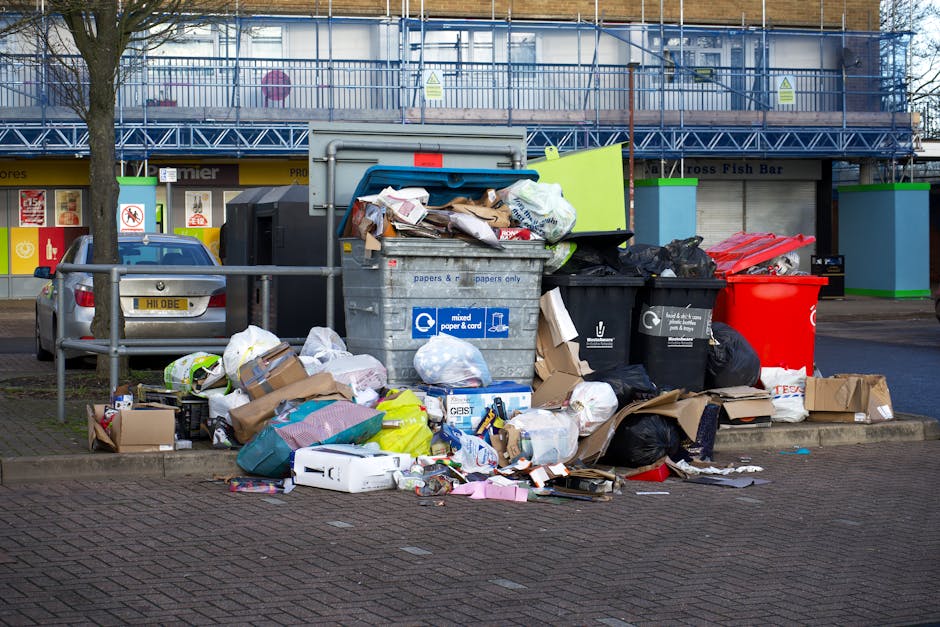
Mayfair sits in a part of London where space is precious, footfall is high, and many streets have a very particular rhythm. That means household waste is not just a private matter behind your front door. It affects pavements, building entrances, bin stores, shared courtyards, loading access, and the general day-to-day look and feel of the street. When waste is handled badly, the problem becomes visible fast.
The practical reason to understand Westminster Council expectations is simple: it helps you avoid missed collections, complaints, and unnecessary mess. But there is a bigger point too. Good waste handling supports cleaner communal areas, safer access for residents and visitors, and better recycling outcomes. In a neighbourhood like Mayfair, those details matter more than people often realise.
There is also the property side of it. If you are interested in the wider area and how homes are occupied, refurbished, or managed, it helps to read about the Mayfair neighbourhood from a local perspective and even the real estate market in Mayfair. Waste arrangements are one of those background details that quietly influence whether a building feels smooth and well-run or slightly chaotic. Small thing, big effect.
Expert summary: In Mayfair, the safest approach is to treat household waste as a shared responsibility: separate recycling correctly, present bins at the right time if your building uses timed collections, and never leave bulky items on the street without arranging proper removal.
How Westminster Council rules on Mayfair household waste explained Works
The exact arrangement for any address can vary depending on the building type, whether you live in a flat or house, and how collections are organised locally. In practice, though, the system tends to follow a few consistent ideas.
First, household waste should be separated into the correct streams. That usually means general rubbish, recycling, and sometimes food waste or garden waste if your property has access to it. The details can depend on your building and collection set-up, so it is worth checking the instructions that apply to your address rather than assuming every street works the same way.
Second, waste should be presented neatly and at the right time. In shared buildings around Mayfair, bin stores can fill quickly. If bags are left in corridors, beside entrance doors, or next to already-full bins, the issue escalates fast. By breakfast time it can already look untidy, and by lunchtime it can become a nuisance for residents, cleaners, or porters.
Third, bulky waste and specialist items are usually treated differently from everyday household rubbish. A broken wardrobe, mattress, old television, or fridge is not something to sneak into a standard bin store and hope for the best. That is exactly the sort of thing that creates delays, clutter, and avoidable complaints.
For many households, especially in managed flats, a practical service such as domestic waste collection in Mayfair or rubbish collection support can bridge the gap between what the building can handle and what the household needs to clear.
And one more thing: if your rubbish involves mixed items from a flat clear-out, a hallway clean-up, or a move-out, do not assume all of it can go out together. Mixed loads are where confusion begins, and confusion is where problems start.
Key Benefits and Practical Advantages
Following the rules is not just about avoiding trouble. It makes day-to-day life easier.
- Cleaner shared spaces: bins are less likely to spill over, smell, or attract pests when waste is sorted and presented properly.
- Fewer neighbour disputes: clear habits reduce friction in buildings where people are already living close together.
- Better recycling habits: separating materials properly makes it more likely that recyclable items stay out of general waste.
- Less last-minute stress: you are not scrambling to deal with a pile of bags or a bulky item on the eve of a collection.
- Safer access: entrances, pavement edges, and bin stores remain easier to use for residents, cleaners, and service teams.
There is a quieter benefit too: it just feels calmer. A tidy bin area in the morning gives a building a very different feel from one where waste is piled awkwardly near the door. If you live in Mayfair, you probably notice that sort of thing.
For households that regularly produce larger volumes, it can be helpful to compare routine collection with occasional specialist help. For example, an apartment doing an end-of-tenancy tidy-up may need different support from a family simply disposing of weekly kitchen waste. If you want a fuller picture of what services are available, the services overview is a useful starting point, and the recycling and sustainability approach shows how waste handling can support a cleaner routine.
Who This Is For and When It Makes Sense
This guidance matters for a surprisingly wide mix of people. If you live in a one-bedroom flat off a busy street, manage a larger household, own a pied-a-terre, or oversee a building with several residents, the same basic challenges crop up again and again.
- Flat owners and tenants: especially where bin storage is shared or limited.
- Landlords and letting agents: because waste left behind after a tenancy changeover can become a real headache.
- Porters, concierges, and building managers: who often have to keep things orderly and avoid obstruction.
- Families and busy professionals: who need a simple, workable routine rather than a complicated checklist every week.
- Anyone handling a clear-out: lofts, cupboards, storage rooms, or older furniture that has simply reached the end of the road.
It also makes sense if you are in the middle of a move, renovation, or refresh. That is where household waste starts to overlap with furniture, appliances, and occasional builder debris. Suddenly the ordinary bin system is not enough. A lot of people realise this on a Friday evening, which is never ideal. You know the feeling.
If that sounds familiar, pages like house clearance in Mayfair, furniture disposal services, and appliance disposal for white goods are especially relevant. The same is true for loft clearance if the problem is buried rather than obvious.
Step-by-Step Guidance
If you want to handle Mayfair household waste properly without overthinking every bag, use this sequence.
- Check how your building handles waste. Is there a shared bin store? Are there collection times? Are there porter instructions or a managing agent noticeboard?
- Separate waste before it reaches the bin store. Keep recycling, general waste, and any special items apart from the start. That is much easier than trying to fix it later.
- Flatten and reduce where you can. Cardboard, packaging, and soft plastic take up far less space when compressed properly.
- Keep food waste sealed. This reduces smell and mess, especially in warm weather. A July afternoon in a small bin room can become unpleasant very quickly.
- Use the right route for bulky items. Do not leave them beside communal bins unless your building specifically allows that and they are scheduled for removal.
- Book extra help when needed. If your waste is too large, too mixed, or too urgent, arrange a proper collection instead of improvising.
- Leave shared areas clean. If a bag breaks or something spills, deal with it straight away. It saves hassle later, honestly.
For larger clear-outs, a service such as house clearance or furniture removal can be the simplest option. If the job is office-related rather than domestic, office clearance may be the more appropriate route, even if some of the items look similar on the surface.
Expert Tips for Better Results
After years of seeing the same waste mistakes repeat, a few habits stand out as genuinely useful.
1. Create a "one-touch" sorting habit. Put things in the right pile as soon as they leave the room. If you wait until the end of the week, every bag becomes a guessing game.
2. Keep a spare box for mixed household items. Batteries, cables, chargers, little broken items, and awkward bits of packaging tend to gather in drawers. A small organised box is far better than a mystery pile.
3. Watch for building-specific rules. Some Mayfair properties have stricter internal arrangements than the local collection schedule itself. Managing agents and concierges sometimes set their own rules for timing, storage, or access. Those instructions matter.
4. Treat bulky waste separately. A mattress, wardrobe, or fridge is not ordinary bin waste, even if it feels like it after a long week.
5. Choose timing carefully. If you are arranging a larger collection, think about building traffic, parking pressures, and whether the street is busier at certain times. Early morning can be much easier than late afternoon.
One small practical tip that people often forget: cardboard from appliance deliveries can pile up fast. If you have just bought something large, it is worth tackling the packaging immediately rather than leaving it "for later." Later has a habit of becoming never.
If you are dealing with waste from a renovation or mixed household project, builders waste disposal in Mayfair may be relevant too, especially where plasterboard, timber offcuts, or packaging have appeared alongside normal rubbish.
Common Mistakes to Avoid
Most waste problems in Mayfair are not dramatic. They are just small mistakes repeated often enough to become annoying.
- Putting the wrong items in recycling: a half-right bin is still the wrong bin.
- Leaving waste in hallways: this is one of the quickest ways to create a complaint.
- Assuming bulky items will disappear by magic: they won't. That sofa will still be there tomorrow morning.
- Mixing household and specialist waste: appliances, builders' materials, and general rubbish are not always handled the same way.
- Ignoring odour and spill risk: food waste and leaking bags can create issues faster than people expect.
- Booking the wrong service: a standard collection may not suit a full flat clearance, and that mismatch causes delays.
Another common slip is poor budgeting. It is tempting to focus only on the waste itself and not the practical cost of sorting it properly. Yet unclear quotes and hidden extras can be frustrating. If you want to avoid that, the guide on hidden fees in rubbish quotes is worth a look before you book anything.
And if you ever find evidence of irresponsible dumping nearby, do not just move it around and hope for the best. There is a useful local read on dealing with illegal dumping near Park Lane that covers the practical side of responding sensibly.
Tools, Resources and Recommendations
You do not need specialist equipment to keep household waste under control, but a few simple tools make life much easier.
- Stackable bins or tubs: useful for separating recycling, general waste, and miscellaneous household items.
- Heavy-duty bags: these reduce the risk of splits in shared corridors or stairwells.
- Labels or marker pens: especially handy in shared households where everyone needs to know what goes where.
- Fold-flat boxes: ideal for cardboard and delivery packaging.
- Gloves and wipes: simple, boring, effective. Not glamorous, but useful.
For extra support, explore pages such as recycling and sustainability, waste carrier licence and compliance, and insurance and safety. Those pages help build confidence around how proper waste handling should work in practice.
If you are still at the planning stage and weighing up options, pricing and quotes and payment and security are useful for understanding how a professional service is typically handled. No one wants surprises, especially when the bin store is already full and the lift is out of order.
Law, Compliance, Standards, or Best Practice
When people say "council rules," they usually mean the practical local requirements and expectations around waste presentation, segregation, collection, and safe disposal. In the UK, householders are generally expected to present waste responsibly and avoid causing a nuisance, obstruction, or contamination of recycling streams. The precise application can vary by property and collection arrangement, so it is always wise to check the specific guidance relevant to your address or building.
There are a few broad best-practice principles that matter almost everywhere in Westminster and Mayfair:
- Do not obstruct pavements, entrances, or shared access routes.
- Keep different waste types separate where required.
- Use lawful, traceable disposal routes for bulky or specialist items.
- Avoid fly-tipping and unofficial dumping.
- Use a compliant carrier if waste leaves your premises via a third party.
That last point matters more than many people expect. If someone removes waste on your behalf, you want to be comfortable that the job is being done properly. A page like waste carrier licence and compliance helps explain why that matters in plain English.
For businesses and mixed-use buildings, there is often an added layer of responsibility around access, timing, and containment. It is not about being fussy. It is about avoiding issues before they become visible on the pavement outside. In a place like Mayfair, people notice these things. They really do.
Options, Methods, or Comparison Table
Different waste scenarios call for different methods. The best choice depends on volume, item type, speed, and how much space you have to work with.
| Method | Best for | Strengths | Limitations |
|---|---|---|---|
| Routine bin collection | Everyday household waste and recycling | Simple, predictable, low effort | Not suitable for bulky or mixed clear-out items |
| Communal bin store use | Flats and managed buildings | Convenient for residents, easy to standardise | Can overflow quickly if misuse occurs |
| Specialist household collection | Bulky items, full room clear-outs, time-sensitive waste | Handles awkward loads, saves time | Needs planning and a proper booking |
| Targeted item disposal | Appliances, furniture, mattresses, garden items | Good for one-off items that do not fit normal bins | May require separate handling or access arrangements |
For many households, the simplest decision is this: if the waste fits the normal household system cleanly, use it. If it does not, move up to a more suitable collection method rather than forcing it into the wrong one. That one decision prevents a lot of hassle.
Case Study or Real-World Example
Picture a Mayfair flat at the end of a tenancy. The residents have already moved out, but the last cupboard still contains packaging, a broken chair, a lamp, a few bags of general waste, and a stack of flattened delivery boxes. There is no obvious place for the chair, the packaging is awkward, and the bin store is already busy because several neighbours have put out their waste at the same time.
The first instinct might be to leave the chair by the bins and hope it gets taken. But in a building like this, that usually creates a problem: it blocks access, looks untidy, and may not be collected with the routine waste. A better approach is to separate the general rubbish, bundle cardboard cleanly, and arrange a proper removal for the larger item.
That is exactly the point where a service such as emergency rubbish removal after flat clearouts in Mayfair becomes useful, especially if the deadline is tight. If the items include furniture, then furniture removal in Mayfair may be the better fit. And if the whole property needs clearing, house clearance is often more efficient than trying to break the job into five smaller ones.
In real life, that kind of practical choice saves time and reduces stress. It also keeps the building tidy, which is never a bad outcome. Sometimes the smartest option is simply the least messy one.
Practical Checklist
Use this quick checklist before you put waste out or book a collection.
- Have I separated recycling from general household waste?
- Do I know where my building expects waste to be stored or presented?
- Have I checked whether this item counts as bulky waste?
- Are bags sealed, secure, and not likely to split?
- Is there any food waste or liquid that needs extra care?
- Have I flattened cardboard and reduced packaging where possible?
- Do I need a specialist collection for furniture, appliances, or mixed items?
- Will the waste block access, create odour, or cause a nuisance if left as it is?
- Have I confirmed the collection timing so items are not left out too early?
- Do I know who is responsible if I am in a shared building or managed property?
If you can tick most of those off, you are usually in a good place. If not, pause and sort the issue now. Future-you will be grateful, and probably a bit less annoyed too.
Get a free quote today and see how much you can save.
Conclusion
Westminster Council rules on Mayfair household waste explained really come down to a simple idea: keep waste contained, separated where needed, and out of the way of everyone else. That sounds basic, but in a dense, high-value, high-footfall part of London, the basics matter a great deal. The cleaner and more organised the routine, the less likely you are to run into complaints, missed collections, or last-minute headaches.
If your waste is small and routine, a good household habit is usually enough. If it is bulky, mixed, or time-sensitive, choose a proper collection route rather than forcing the job into a system that was never meant for it. That is the difference between a tidy finish and a stressful one.
And honestly, a well-managed bin area is one of those quiet signs that a property is being looked after properly. Not glamorous, maybe, but very reassuring.
For readers who want more context on the area, the Mayfair journey guide adds a broader local feel, while the about us page gives a sense of the team behind the service. Small details, but they help.



 Tipper Van - Waste Disposal and Rubbish Removal Prices in Mayfair, W1K
 Luton Van - Waste Disposal and Rubbish Removal Prices in Mayfair, W1K