Dealing with illegal dumping near Park Lane, Mayfair
Posted on 18/06/2026
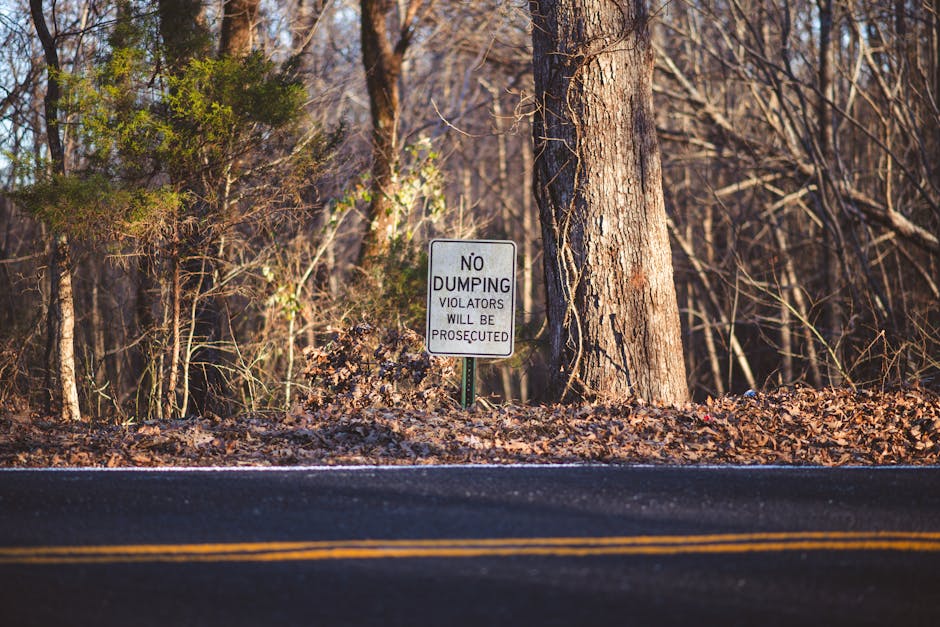
Finding fly-tipped rubbish near Park Lane is one of those problems that looks small at first and then quickly becomes annoying, expensive, and oddly persistent. A sofa dumped beside a mews entrance, black bags left near a loading bay, builder's waste in the wrong place - it all chips away at how a street feels and functions. If you are dealing with illegal dumping near Park Lane, Mayfair, you probably want two things: a sensible way to deal with the mess, and a clear idea of what to do next without making the situation worse.
This guide walks through the practical side of the issue: why it matters in a high-footfall part of central London, how cleanup usually works, what to avoid, and how to choose a lawful waste solution if you need one. You will also find a checklist, a comparison table, and a realistic example from a Mayfair-style scenario. No fluff. Just useful detail, properly ordered.
Why Dealing with illegal dumping near Park Lane, Mayfair Matters
Park Lane sits in a part of London where first impressions count. Visitors notice the pavement, residents notice the flow of the street, and businesses notice the knock-on effect almost immediately. Illegal dumping is not just an eyesore. It can block access, attract more fly-tipping, create hygiene concerns, and make an otherwise well-kept area feel neglected. That matters in Mayfair, where property standards, foot traffic, and reputation all sit very close together.
There is also a practical side. Dumped waste can contain sharp objects, broken glass, contaminated items, or bulky materials that are awkward to move. In the wrong spot, it becomes a hazard for pedestrians, delivery crews, and cleaners. On a busy road like Park Lane, that risk rises fast because the area is constantly being used, swept, serviced, and crossed. One bag turns into five. Then it starts looking like a tip point. Let's face it, that is how these things often snowball.
For property managers, concierge teams, shopfronts, landlords, and residents, acting quickly is not overreacting. It is basic care. And in a neighbourhood where presentation matters, quick action is often the difference between a small cleanup and a much larger headache.
How Dealing with illegal dumping near Park Lane, Mayfair Works
In most real-life cases, "dealing with" illegal dumping means a few linked actions rather than one dramatic fix. First, the waste needs to be identified safely. Then it needs to be documented if necessary. After that, it should be removed by a lawful waste handler, and the area should be checked for any lingering contamination or repeat-dumping risk.
The process usually follows a simple logic:
- Assess the situation. Check whether the items are safe to approach and whether they look like mixed waste, builders' waste, household items, or commercial rubbish.
- Protect people first. If there are needles, chemicals, smashed glass, or anything that looks hazardous, keep distance and avoid moving it casually.
- Document what is there. A few photos taken from a sensible distance can help with reporting or internal records, especially if the dumping keeps happening in the same spot.
- Arrange removal. If it is on private property, the owner or managing agent usually needs to organise clearance. If it is on accessible frontage, the practical route still tends to be a fast, compliant removal plan.
- Clean and reset the space. Once the waste is gone, sweep up residue, remove loose fragments, and look for ways to reduce repeat fly-tipping.
If the dumping is tied to a larger clearance problem - maybe a flat clearout, office move, or renovation spillover - it may make sense to connect the cleanup with a broader service. Pages like the services overview and waste disposal in Mayfair can be useful when you are deciding what kind of removal is appropriate rather than just looking for a one-off pickup.
Key Benefits and Practical Advantages
There are some obvious benefits to dealing with illegal dumping promptly, but the less obvious ones matter too. People usually think of appearance first. Fair enough. But the real gain is stability - keeping a site usable, avoiding repeat mess, and preventing a temporary problem from becoming a pattern.
- Cleaner frontage and better first impressions. Important near Park Lane, where image and presentation carry real weight.
- Lower safety risk. Clearing loose debris reduces trips, cuts, and handling hazards.
- Less chance of repeat dumping. An area that stays tidy is less likely to invite more waste.
- Better working conditions for staff or residents. Concierge teams, cleaners, and maintenance crews can do their jobs properly.
- Improved compliance posture. Using a lawful waste route protects you from the problems that come with handing waste to the wrong operator.
There is also a reputational benefit that is hard to quantify but very real. In a location like Mayfair, people notice whether a building, terrace, or service entrance is being looked after. A quick response says someone is on top of the basics. That has value.
If you want to understand the cleaner, more sustainable side of removal, the site's recycling and sustainability page is a sensible companion read. It helps frame disposal as more than just "taking rubbish away".
Who This Is For and When It Makes Sense
This topic is not only for local authorities or large estates. In practice, illegal dumping near Park Lane, Mayfair affects a wide mix of people, and the right response depends on who is responsible for the space.
- Residents who find waste left near a building entrance, mews, or communal access point.
- Landlords and managing agents dealing with abandoned items, black bags, or dumped furniture around shared property.
- Shops, hotels, and offices where commercial frontage must stay presentable and safe.
- Contractors and tradespeople who need to separate legitimate building waste from anything suspiciously dumped by others.
- Concierge and facilities teams who need a fast, lawful cleanup pathway that does not disrupt the day.
It makes sense to act when the waste is blocking access, creating a hazard, attracting more mess, or just sitting there long enough to become part of the street scene. A small pile outside a property can become a bigger management issue by morning. That is especially true in central London, where movement is constant and the next person often assumes someone else will sort it out. Spoiler: they usually won't.
For related situations - like a sudden property clearout, an emergency vacancy, or rubbish left after a move - you may also find emergency rubbish removal after flat clearouts in Mayfair useful because the same urgency and coordination problems often show up there too.
Step-by-Step Guidance
Here is a straightforward way to handle the situation without dithering around it.
- Look before you touch. Identify whether the material is general rubbish, bulky waste, mixed builders' waste, or something that may be hazardous. If it looks unsafe, keep people away.
- Take clear photos. Use simple, wide shots that show the location and the scale of the dumping. You do not need a photography project. Just enough to record the scene.
- Note the time and place. A quick note in a phone or site log can be very useful if you need to show when it was found or whether the same spot keeps being targeted.
- Check who owns or manages the space. Private frontage, shared passage, residential forecourt, and public pavement can each lead to a different internal process.
- Separate reusable items from waste only if it is safe. Sometimes there is salvageable material, but do not sort through unknown bags casually. Honestly, it is not worth the risk.
- Arrange collection through a compliant waste operator. That is the cleanest route if the material is bulky, mixed, or too much for ordinary handling. If you need a broader service, rubbish collection in Mayfair may be the right starting point.
- Confirm what happens next. Ask how the waste will be loaded, where it will go, and whether any items need special handling. Good operators explain this plainly.
- Review the spot afterward. If there is still residue, broken packaging, or loose litter, clean that too. A site can look "done" and still carry the wrong impression.
If the dumping came with obvious contractor waste - plasterboard, timber offcuts, packaging, old fixtures - then the right approach may be closer to a builder's clearance than a domestic pickup. In that case, builders' waste disposal in Mayfair is more relevant than a standard general rubbish solution.
Expert Tips for Better Results
A few small decisions make a big difference here. In our experience, the smoothest cleanups are the ones where someone has already thought through access, timing, and what could go wrong. Not glamorous, but very effective.
- Move early in the day if possible. Park Lane is busy enough without trying to manage waste removal in the middle of peak activity.
- Keep the site clear for the crew. If you are arranging removal, make sure bins, parked vehicles, or delivery obstacles are not blocking access.
- Ask for proof of lawful waste handling. A legitimate waste carrier should be able to explain their compliance approach without a song and dance.
- Bundle related waste where sensible. If you already have old furniture, appliance waste, or office items to remove, combining jobs can be simpler than piecemeal callouts.
- Think about repeat prevention. Better lighting, clearer signage, tightened access, or adjusting collection points can help reduce the chance of repeat dumping.
A small human note here: one of the biggest mistakes people make is assuming that because the waste is "only outside", it is somehow less serious. It is not. On a street like this, the edge of a property is still part of the place's identity.
If your issue overlaps with a property clearance, it may be worth reading house clearance in Mayfair or office clearance in Mayfair so you can judge whether the dumping is a symptom of a larger clearance need.

Common Mistakes to Avoid
This is where a lot of avoidable problems creep in. Some are minor. Some are not.
- Touching unknown waste too quickly. Bags can hide sharp, contaminated, or heavy items.
- Assuming all waste is the same. Furniture, mixed rubbish, and construction debris often need different handling.
- Choosing the cheapest option without checking legitimacy. A low price is useless if the waste ends up being handled badly or illegally.
- Ignoring repeat patterns. If dumping keeps happening, the site setup probably needs a harder look.
- Leaving residue behind. Small scraps, broken packaging, and spill marks send the message that the area is still a dumping ground.
- Forgetting access logistics. In Mayfair, access can be tight, and a good plan matters as much as a fast response.
There is also the quote trap. People sometimes ask for removal, receive an estimate, and later discover extra charges for access issues, loading time, or item type. That is why it helps to understand the quote structure from the outset. The page on hidden fees in Mayfair rubbish quotes is a neat companion if you want to avoid surprise add-ons.
Tools, Resources and Recommendations
You do not need a huge toolkit, but having the right basics makes the job simpler. For most people, this is less about equipment and more about having a clear process.
| Need | Useful approach | Why it helps |
|---|---|---|
| Initial assessment | Phone camera, site notes, clear observation | Helps you record what is there before anything changes |
| Safe handling | Gloves, closed shoes, barrier tape if needed | Reduces direct contact with sharp or dirty materials |
| Removal planning | Measure access, note floor level and parking constraints | Avoids delays on the day |
| Waste route | Use a compliant carrier with clear process and documentation | Protects you from careless disposal |
| Follow-up | Inspection after removal and light cleanup | Keeps the space from looking half-finished |
For nearby or related waste types, the most useful pages are usually the ones that match the material, not just the postcode. For example, furniture dumped by a roadside is often better matched to furniture disposal in Mayfair, while old appliances are better handled through white goods and appliance disposal in Mayfair.
If the incident involves an office move or commercial frontage, commercial waste removal in Mayfair may be the more fitting route. Different waste, different rhythm. Simple as that.
Law, Compliance, Standards, or Best Practice
Illegal dumping sits inside a wider compliance picture, and that is worth treating carefully. In the UK, waste should be handled by responsible operators, and the person arranging disposal has a duty to be sensible about who they use. That does not mean becoming a lawyer overnight. It does mean not handing waste to someone who cannot properly explain what happens to it.
Best practice is usually straightforward:
- Use a lawful, identifiable waste carrier. Do not rely on vague promises or cash-only shortcuts.
- Keep a basic record. Notes, photos, dates, and supplier details are useful if questions arise later.
- Separate problem waste. Certain materials may need special handling. If you are unsure, say so.
- Avoid mixing hazardous items with general rubbish. That can create avoidable handling risk.
- Work within the property's access rules. Shared buildings and managed sites often need coordination, not improvisation.
Trust matters here too. A company's approach to compliance, safety, and transparency says a lot about how seriously they take your waste. If that is important to you - and it should be - the page on waste carrier licence and compliance gives a helpful overview, while insurance and safety is worth checking when the job carries any real handling risk.
It is also wise to review the basics of service terms and privacy if you are sharing site details, photos, or access instructions. That may sound a bit dry, but in practice it avoids confusion later. The relevant pages are terms and conditions and privacy policy.
Options, Methods, or Comparison Table
There is usually more than one way to tackle a dumping problem. The right method depends on the amount of waste, where it is, and how urgently it needs to go.
| Method | Best for | Pros | Limitations |
|---|---|---|---|
| Self-clearance | Very small, safe amounts on private property | Quick if access is easy and waste is light | Not suitable for bulky, sharp, or mixed waste; can be awkward and risky |
| Managed cleanup | Shared buildings, recurring mess, moderate waste | More organised; better for record-keeping | Needs coordination with the property team |
| Professional waste collection | Bulky items, mixed waste, repeated dumping, urgent removal | Efficient, compliant, and usually less stressful | Costs depend on item type, access, and volume |
| Specialist clearance service | Large clearouts, estates, offices, or construction-related dumping | Best for complex waste streams and larger sites | May be more than you need for a tiny one-off pile |
For a lot of Mayfair situations, the middle option is the sweet spot: not overcomplicated, but still organised. A quick, professional removal beats a rushed DIY attempt almost every time, especially when time pressure is already part of the problem.
Case Study or Real-World Example
Picture a weekday morning near Park Lane. A concierge notices a mixed pile left beside a service entrance: two black bags, a broken chair, some cardboard, and a smashed mirror leaning awkwardly against the wall. Nothing dramatic, but enough to make the entrance look neglected and slightly unsafe. It has probably been there since late evening. By 8 a.m., staff are already stepping around it.
The sensible response is not to start dragging everything out by hand. First, the team photographs the scene and notes the time. Then they check whether the waste belongs to the building or appears to be dumped from elsewhere. The broken glass is left undisturbed until a safe removal is arranged. A lawful waste collector is booked for a same-day or next-available slot, and the access instructions are kept simple: exact location, nearest entrance, and whether the crew needs to wait for a key holder.
Once collected, the area is swept, and the mirror fragments are checked carefully. After that, the building reviews whether the entrance lighting and access control are doing enough to discourage repeat dumping. Not every site needs a big security overhaul. Sometimes a cleaner routine and faster response are enough.
That kind of response is practical, calm, and effective. No drama. No guesswork. Just a clear chain from spotting the issue to clearing it properly.
Practical Checklist
Use this checklist if you need a quick, no-nonsense way to respond.
- Identify the waste type and check for hazards.
- Take a few clear photos before moving anything.
- Record the date, time, and exact location.
- Confirm whether the space is private, shared, or public-facing.
- Keep people away from sharp, heavy, or suspicious items.
- Arrange removal through a lawful and suitable waste route.
- Make sure access is ready for the collection crew.
- Check the area after clearance for residue or broken fragments.
- Review why the waste appeared there and whether prevention can be improved.
- Keep records in case the dumping happens again.
If the situation is more than a simple rubbish pile, do not try to force it into a one-size-fits-all solution. There is usually a better match available, whether that means domestic waste handling, furniture removal, or a broader clearance service. The key is to be honest about what you are actually looking at.
Conclusion
Dealing with illegal dumping near Park Lane, Mayfair is really about speed, judgement, and keeping standards high without overcomplicating the response. The best outcomes usually come from a calm assessment, safe handling, and a proper waste route - not from rushing in or waiting too long.
In an area where presentation, access, and reputation all matter, even a modest amount of dumped waste deserves attention. Clear it well, document what you need to, and reduce the chance of repeat problems. That is the practical way through it, and it tends to work.
Get a free quote today and see how much you can save.
And if you are dealing with it right now, keep it simple: make the area safe, get the waste identified, and take the next sensible step. Small, steady action beats panic every time.



 Tipper Van - Waste Disposal and Rubbish Removal Prices in Mayfair, W1K
 Luton Van - Waste Disposal and Rubbish Removal Prices in Mayfair, W1K