Emergency rubbish removal after flat clearouts in Mayfair
Posted on 02/06/2026
Flat clearouts can look harmless at first: a few boxes, a dismantled wardrobe, maybe a sofa that has seen better days. Then the hallway starts to fill, the lift is blocked, and suddenly you need emergency rubbish removal after flat clearouts in Mayfair, not next week, but now. In a place where access is tight, neighbours notice everything, and time windows can be painfully small, getting waste out quickly and properly is more than a convenience. It is the difference between a calm handover and a stressful mess.
This guide breaks down how urgent flat clearance waste removal works in Mayfair, what to expect, what to avoid, and how to choose the safest, most practical route when the clock is ticking. If you are dealing with a furnished rental, a probate clearout, an end-of-tenancy rush, or a last-minute move, the sections below will help you make a sensible decision without overthinking it. Let's face it, nobody wants a pile of broken furniture sitting in a grand communal hallway at 7 a.m.

Why emergency rubbish removal after flat clearouts in Mayfair matters
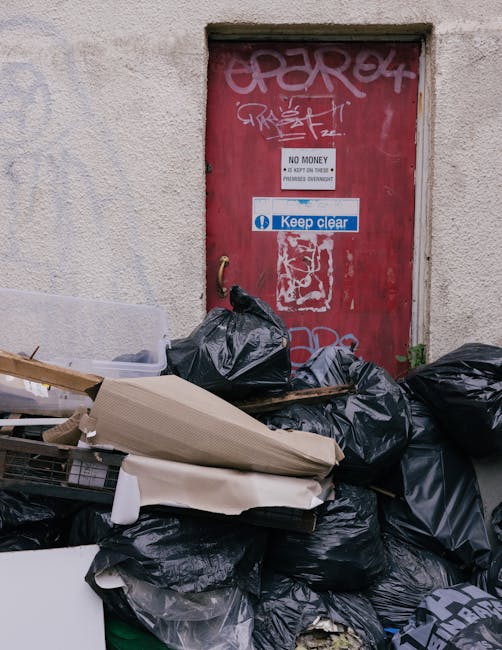
Mayfair flats tend to create a very specific kind of waste problem. It is rarely just "rubbish". More often it is a mix of bulky furniture, old mattresses, white goods, bagged domestic waste, packaging, broken decor, and odd bits left behind by previous occupiers. When that all comes out at once, it can quickly overwhelm a building's storage space and make communal areas unsafe or awkward to use.
Emergency collection matters because flat clearouts are often tied to a deadline. A tenancy may end at midday. An estate agent may want the property photo-ready by the afternoon. A landlord may need the flat emptied before cleaners arrive. Or an executor may be trying to make a difficult property feel manageable again. In those moments, slow clearance creates knock-on problems: missed handover times, unhappy building managers, and waste left in places where it should not be.
In Mayfair, there is also the practical reality of access. Streets can be busy, loading can be awkward, and lifts are often small or shared. Waste that would be straightforward elsewhere becomes tricky when it has to pass through tight stairwells, porters' areas, or basement access points. This is why local experience matters. A team that understands flat clearouts in the area can usually move faster and with less disruption.
If you want a broader sense of how rubbish services fit into the local area, the services overview gives a helpful picture of the different collection and clearance options available. For a more local perspective on the district itself, the Mayfair neighbourhood guide is also useful reading.
How emergency rubbish removal after flat clearouts in Mayfair works
Urgent rubbish removal is usually simpler than people expect, even if the situation feels messy. The process normally starts with a quick description of what needs removing, where the property is, and what access looks like. Is there a lift? Are there parking restrictions? Is the waste in one room or spread across the whole flat? These details sound small, but they determine how quickly the job can be done.
In most cases, the team will confirm what can be removed, estimate the load, and arrange a collection slot. If the clearout has already happened, the job can be very direct: load, lift, remove, and sweep through any remaining loose debris. If the flat is still partly full, a team may need to sort as they go, separating furniture, general household waste, and recyclable materials. That part matters more than people think. Good sorting saves time later and keeps disposal cleaner.
A typical emergency flat-clearout collection in Mayfair often follows this pattern:
- Initial call or enquiry with a rough waste description.
- Confirmation of access, floor level, lift use, and timing.
- Arrival window arranged as tightly as possible.
- Loading of bulky items and bagged waste.
- Responsible disposal and recycling where suitable.
- Final check for leftover items in the flat, hallway, or bin store.
For urgent mixed waste or larger household loads, many readers compare this with a more complete clearance approach such as house clearance in Mayfair, especially where the flat includes multiple rooms or a lot of left-behind items. For single bulky pieces, furniture removal in Mayfair or white goods and appliance disposal may be the better fit.
One small but important point: "emergency" does not always mean chaotic. The best urgent services are usually calm, tidy, and quite methodical. That is what you want, really. Fast, but not rushed in the bad way.
Key benefits and practical advantages
The obvious benefit is speed. When a flat needs to be cleared quickly, a responsive rubbish removal team helps you avoid missed deadlines and the domino effect that follows. But there are several other advantages that are easy to overlook until you are in the middle of it.
First, it reduces stress. A clear plan helps when you are already dealing with moving dates, keys, cleaners, inventory checks, or family decisions. Even a few hours saved can make the day feel manageable.
Second, it protects the building. Communal hallways, stairwells, and lifts in Mayfair properties are often shared spaces with high standards. A proper clearance service should move items with care, avoid leaving mess behind, and respect building rules and quiet hours.
Third, it improves compliance and traceability. If your waste is handled by a licensed carrier and taken to appropriate facilities, you reduce the risk of fly-tipping or improper disposal. That is not just a box-ticking issue. It matters if questions are raised later.
Fourth, it can improve recycling outcomes. Not every item needs to go to general waste. Furniture, metal, clean cardboard, and some appliances may be separated. For people who care about waste reduction, the recycling and sustainability page is a useful reference point.
Fifth, it keeps things discreet. In a neighbourhood like Mayfair, discretion is often part of the service expectation. Nobody wants a noisy, messy process that drags on for hours. You want the job done and the space returned to normal. Quietly. Efficiently. Done.
Practical takeaway: the best emergency rubbish removal is not just fast. It is organised, discreet, and respectful of access, neighbours, and the property itself.
Who this is for and when it makes sense
This service is a strong fit for anyone facing a time-sensitive clearout in a Mayfair flat. That includes private tenants, landlords, managing agents, homeowners, executors, and property professionals. It is also common after renovation prep, short-notice vacate dates, or situations where a property has been left fuller than expected.
It makes sense when:
- you need the flat emptied before cleaners, decorators, or inventory checks;
- you have bulky furniture blocking access or taking up too much room;
- the waste store is full and items cannot wait for normal collection;
- there are damaged or unwanted appliances that need swift removal;
- the property is being prepared for sale or re-letting on a tight schedule;
- you are dealing with a sensitive clearance and want minimal disruption.
It is also useful after partial clearouts where the "last bit" turns out to be the hardest bit. You know the type: one sofa, two wardrobes, a mattress, several bags, and three random chairs that no one claims. Somehow that final stretch always takes longer than expected.
For more complex situations involving inherited belongings or substantial estate contents, it can be worth comparing this with estate clearance advice for Hanover Square estates in Mayfair. If your issue is specifically around flat waste in a busy central location, Grosvenor Square waste removal tips may also help.
Step-by-step guidance
If you are trying to organise an urgent collection without wasting time, keep the process simple. The cleaner your brief, the smoother the job tends to go. Here is the practical sequence I would recommend.
- List what needs to go. Separate bulky furniture, appliances, bagged rubbish, and any items that may need special handling.
- Check access. Note the floor level, lift size, parking restrictions, concierge rules, and any timings you must work around.
- Take a few photos. A couple of clear images usually help the team assess volume much faster than a long description.
- Confirm urgency. Say whether the waste must be removed the same day, the next morning, or before a fixed deadline.
- Ask about handling. If there are stairs, delicate finishes, or tight corners, make that clear up front.
- Prepare the flat. Move valuables, separate documents, and make a clear path to the exit if you can.
- Stay available for a quick final check. A five-minute walk-through can prevent forgotten items and save everyone a headache.
If the clearout involves furniture that still has some life in it, the team may be able to divert it into a separate route rather than treating it as mixed waste. For purely domestic waste, domestic waste collection in Mayfair is the more relevant service. For stubborn items that are mainly furniture, see furniture disposal in Mayfair.
One more thing. If you are in a rush, do not bury the important details in a long explanation. A short, clear message is much better. "Third-floor flat, lift available, two sofas, mattress, six bags, needs removal before 2 p.m." That sort of thing. Plain and honest wins.
Expert tips for better results
After enough clearouts, a few patterns become obvious. The jobs that go smoothly usually have the same traits: clear information, realistic timing, and no last-minute surprises. Here are the tips that genuinely help.
1. Separate items before the team arrives
Even a basic split between furniture, electronics, and general rubbish speeds everything up. It also makes it easier to identify anything recyclable or reusable.
2. Protect the route out of the flat
If your building has polished floors, narrow corridors, or lifts that are easily marked, lay down protection where needed and keep the route clear. The sound of a heavy wardrobe scraping a wall is not something anyone wants to hear. Not at all.
3. Be precise about timing
In central London, arrival windows matter. If a porter needs to be informed, or the loading bay is only free for a short period, say so early. Tiny timing details often decide whether the job feels smooth or awkward.
4. Think about the handover at the same time
A clearance is not just about removing waste. It is usually part of a bigger chain: clearout, cleaning, inspection, photos, and key return. Work backwards from the deadline so you do not end up with rubbish out and no time to clean.
5. Keep an eye on what stays behind
People often focus on what goes out and forget what should remain. That can include documents, spare keys, tenancy paperwork, or items needed for an inventory dispute. Do a final check with calm eyes.
If you are managing a property sale or investment flat, it can help to read around the local market context too. The real estate market in Mayfair and Mayfair property buying smart guide can give useful background on why presentation and timing matter so much here.
Common mistakes to avoid
The most expensive mistakes are not usually dramatic. They are small, avoidable things that create delay or extra cost. A few stand out again and again.
- Underestimating volume: what looks like "a few items" may fill a van once dismantled and stacked properly.
- Ignoring access restrictions: shared lifts, narrow staircases, and building rules can add time if not planned for.
- Leaving the booking too late: the more urgent the job, the more important it is to give accurate information right away.
- Mixing waste types without saying so: appliances, bulky furniture, and bagged rubbish may need different handling.
- Forgetting building etiquette: quiet hours, concierge instructions, and loading rules are not optional.
- Using an unverified carrier: this can create compliance risk if waste is not disposed of properly.
A small but common one: people assume the team will know what the building allows. Sometimes they do, but not always. Mayfair properties vary a lot, and a lift that looks easy on paper can be tiny in real life. It's worth stating the obvious.
If your clearout includes bulky items, a good starting point is often rubbish collection in Mayfair for mixed loads, or builders waste disposal if the clearout follows small works or strip-out activity.
Tools, resources and recommendations
You do not need a huge toolkit for a flat clearout, but a few simple things make the process easier. A sturdy marker pen, tape, bin bags, gloves, and a phone camera are usually enough for most domestic clearouts. If you are sorting as you go, labels or sticky notes can help you avoid accidental disposal of items you meant to keep.
For heavier pieces, dismantling tools can be helpful, though only if you know what you are doing. There is no medal for taking apart a wardrobe with the wrong screwdriver at ten o'clock at night. Trust me, that is how small jobs become annoying ones.
On the information side, these pages are especially useful:
- Services overview for understanding the available collection types.
- Pricing and quotes for learning how enquiries are usually assessed.
- Payment and security for confidence around booking and payment handling.
- About us if you want to know more about the company behind the service.
- Insurance and safety for reassurance on working practices and risk control.
For readers who want to understand how service quality and environmental responsibility fit together, the waste carrier licence and compliance page is especially relevant. It gives a better sense of why proper handling matters beyond the immediate clearance.
Law, compliance, standards, or best practice
With any rubbish removal job, compliance should be taken seriously. That does not mean the process has to be complicated, but it does mean waste should be handled by people who operate lawfully and responsibly. In practical terms, that means a licensed carrier, clear handling of waste streams, and disposal that avoids fly-tipping or careless dumping.
For tenants, landlords, and managing agents, a sensible best practice is to keep records of the clearance date, the type of waste removed, and any booking confirmation or invoice details. That helps if questions arise later, especially around end-of-tenancy disputes or property handovers. It is boring admin, yes, but useful. Very useful.
For flat clearouts involving furniture and appliances, it is also wise to think about:
- whether items should be separated for recycling;
- whether anything contains personal data or sensitive documents;
- whether the building requires advance notice for collections;
- whether the route out of the property is safe for staff and residents;
- whether disposal timing needs to fit around concierge or management rules.
If the property is part of a managed building or estate, the expectation is usually that clearance happens neatly and with minimum disruption. That aligns with the kind of standards covered on the site's trust pages, such as terms and conditions, privacy policy, and cookie policy. These may seem peripheral, but they matter when you are choosing a provider you can actually rely on.
Options, methods, and comparison table
There is more than one way to deal with a flat clearout, and the right choice depends on urgency, volume, and access. Here is a straightforward comparison.
| Option | Best for | Pros | Limitations |
|---|---|---|---|
| Emergency rubbish removal | Urgent deadlines, mixed loads, awkward access | Fast, convenient, usually all-in-one | May cost more than non-urgent collection |
| Planned house or flat clearance | Full property clearouts with more time | Good for larger jobs, more structured | Less suitable when you need same-day action |
| Single-item furniture removal | Sofas, wardrobes, mattresses, one-off bulky items | Simple, targeted, often efficient | Not ideal for mixed rubbish piles |
| Domestic waste collection | Bagged household waste and smaller loads | Practical for standard domestic waste | Not always enough for bulky or urgent clearouts |
| Office or commercial clearance | Business premises or mixed-use units | Useful where office items are involved | Not the best fit for a straightforward residential flat |
In a Mayfair flat, the choice often comes down to access and time. A lift-friendly apartment with a few bulky items may need nothing more than targeted furniture removal. A top-floor flat with mixed waste and a move-out deadline will usually benefit from emergency collection. If there are extra items from a small renovation or rip-out, builders waste disposal in Mayfair can be the more suitable route.
Case study or real-world example
Here is a realistic example from the sort of situation people run into all the time. A two-bedroom flat near central Mayfair needed to be handed back on short notice after a tenant move. The flat still contained a broken bed frame, a sofa, several bags of mixed rubbish, an old microwave, and packaging from furniture deliveries. The building had a narrow lift, a concierge desk, and a very clear "no mess in the hallway" expectation. Naturally.
The property manager needed the place empty before the cleaner arrived later the same day. The clearout plan was simple: identify bulky items first, separate anything recyclable, protect the route through the building, and remove the load in one organised visit. Because the access details were shared up front, the team arrived with the right approach and avoided wasting time moving items twice. The apartment was cleared, the flat was left ready for cleaning, and the handover deadline was met without a scramble at the end.
What made the difference was not magic. It was preparation, clarity, and a service that understood the realities of flat clearance in a busy district. If you have ever watched a building manager glance at a pile of waste and exhale slowly, you will know why that matters.
For readers dealing with retail or mixed-property pressures nearby, there is also a useful local note in fast rubbish pickup for Bond Street shops, which shows how time-sensitive waste needs can look in nearby Mayfair streets.
Practical checklist
Use this before booking or before the clearance team arrives.
- Confirm the deadline for the flat to be empty.
- List bulky items, general rubbish, and appliances separately.
- Check whether the lift can be used for large items.
- Note any parking, loading, or concierge restrictions.
- Move personal valuables and important documents aside.
- Take photos of the waste and access route if needed.
- Ask whether items can be recycled or reused.
- Keep the route from the flat to the exit clear.
- Make sure someone is available for access and final sign-off.
- Keep any paperwork or confirmation after the job is done.
Quick summary: if the flat is full, the hallway is tight, and the deadline is real, the safest route is a properly planned urgent collection. The trick is not trying to do everything yourself in a panic. Split the work, give clear instructions, and let the process stay orderly.
Get a free quote today and see how much you can save.
Conclusion
Emergency rubbish removal after flat clearouts in Mayfair is really about taking control of a pressured situation. The waste itself is only part of the issue. The real challenge is timing, access, discretion, and getting the job done in a building and neighbourhood that expect standards. When those pieces are handled well, the whole clearout feels lighter. Less noise. Less stress. Less scrambling around with bin bags at the last minute.
If you are facing a move-out, probate clearance, or end-of-tenancy deadline, focus on the basics: say what needs removing, be clear about access, and choose a service that understands the local realities of Mayfair flats. That is usually enough to turn a rough day into a manageable one. And once the last item is gone, the room feels different. Quieter, somehow. A bit of breathing space returns.
There is something reassuring about a flat once the clutter has gone, even if only for a moment before the next chapter begins.



 Tipper Van - Waste Disposal and Rubbish Removal Prices in Mayfair, W1K
 Luton Van - Waste Disposal and Rubbish Removal Prices in Mayfair, W1K